Flight principles / Follow the interaction
What Keeps the Journey Aloft
Begin with a wing meeting moving air. Then add the engine, gravity and the resistance of the flow. Four passages connect the details to the whole aircraft.
Lift begins with an interaction
The wing’s curved edge gives the first clue. As air moves around the wing, the flow changes direction and a pressure distribution develops across its surfaces. The resulting aerodynamic force can be resolved into lift and drag.
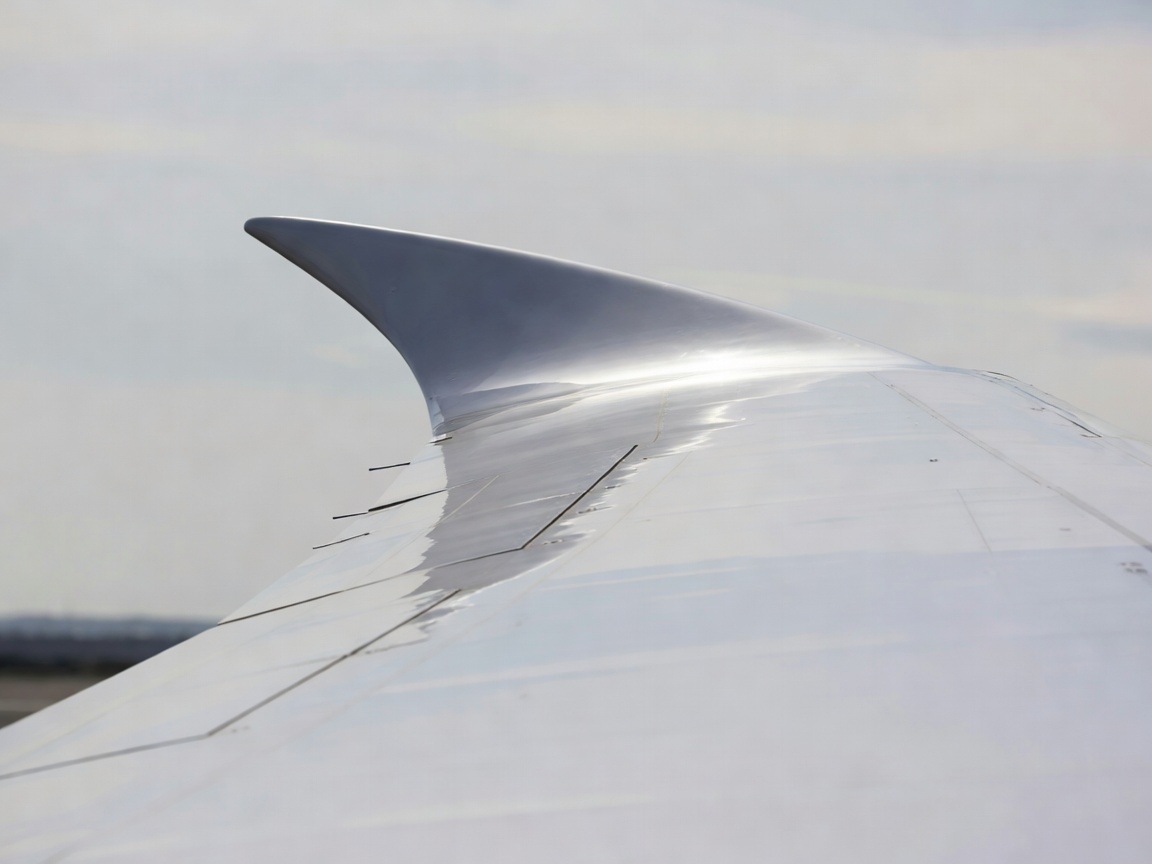
Lift is the force component perpendicular to the relative airflow. Describing the pressure difference around a wing and describing the wing’s downward deflection of air are compatible ways of examining the same interaction.
Air passing above and below a wing does not have to meet again at the trailing edge at the same time.
That “equal transit time” idea is a common but misleading shortcut. A sound introduction looks at the actual airflow and pressure changes instead of assigning the air an imaginary appointment.
A small change in orientation
Angle of attack is the angle between a reference line through the wing’s airfoil—the chord line—and the oncoming relative airflow. It is not simply the angle of the airplane’s nose above the horizon.
Within the normal operating range, increasing angle of attack generally increases lift coefficient. Beyond a critical angle, extensive flow separation reduces lift: this is a stall.
A stall is an airflow condition, not an engine stopping.
A stall can occur at different airspeeds because the load the wing must support can change. In a maneuver, for example, the airplane may need more lift than it does in straight, level flight.
Flaps change the wing’s lift and drag characteristics. Their effect explains why a wing can look different during takeoff or landing than it does in cruise.
Thrust meets resistance
A jet engine accelerates air and exhaust rearward; a propeller accelerates air through a rotating set of blades. The corresponding reaction provides thrust. The useful result is a force, not merely a loud sound or a spinning part.
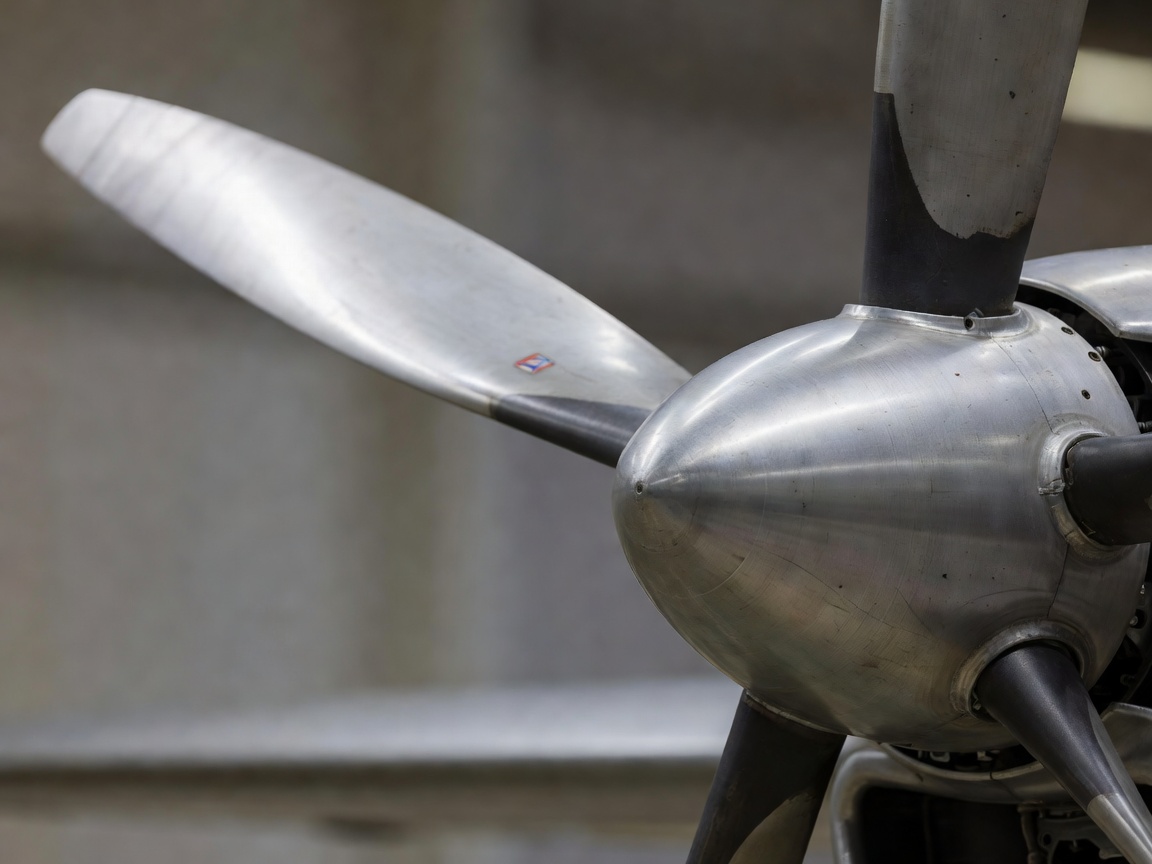
Drag includes resistance associated with skin friction and pressure differences, as well as induced drag associated with producing lift on a finite wing. Their relative importance changes with speed and flight conditions.
In steady, straight, level flight, thrust balances drag. If the forward force exceeds the opposing force, the aircraft accelerates. During a climb or descent, gravity also has a component along the flight path, so the balance needs that additional context.
Balance does not mean standing still
At constant speed in straight, level flight, the net force is zero: the airplane keeps moving without accelerating. Lift broadly balances weight, while thrust balances drag.
Banking tilts the lift force. In a coordinated turn, its horizontal component changes the direction of the aircraft’s motion. To maintain altitude, the vertical component must still support the airplane’s weight, so the required total lift increases.
Notice the bank
The wing’s orientation changes the direction of its lift force.
Notice the flight path
A change in direction is acceleration, even when speed remains constant.
These are conceptual descriptions, not instructions for operating an aircraft. Real flight also involves stability, control, performance limits and aircraft-specific procedures.
Is lift always vertical?
No. Lift is defined relative to the airflow. When the aircraft banks, the lift force tilts with the wing; its direction is not fixed to the ground.
Does an engine directly hold an airplane up?
In conventional wing-borne flight, the wing provides most of the supporting aerodynamic force. Propulsion helps maintain motion through the air. Specialized aircraft and flight conditions can use thrust differently.