Aircraft systems / Trace the hidden work
The Work Hidden Beneath the Skin
A cockpit switch and an engine inlet are visible endpoints of larger systems. Follow the connections to see how an airplane produces power, moves controls and supports essential equipment.
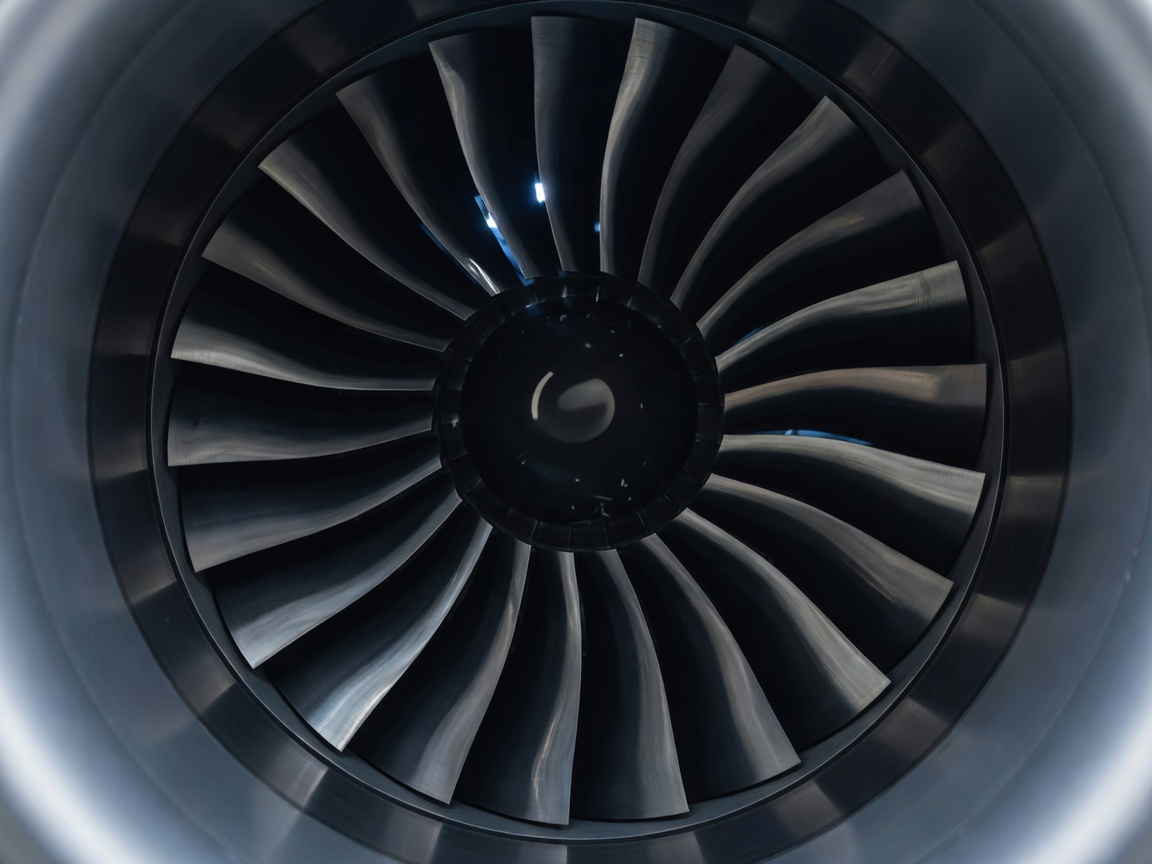
Behind the fan
Two airflow paths, one engine, and the work of producing thrust.
Explore propulsion →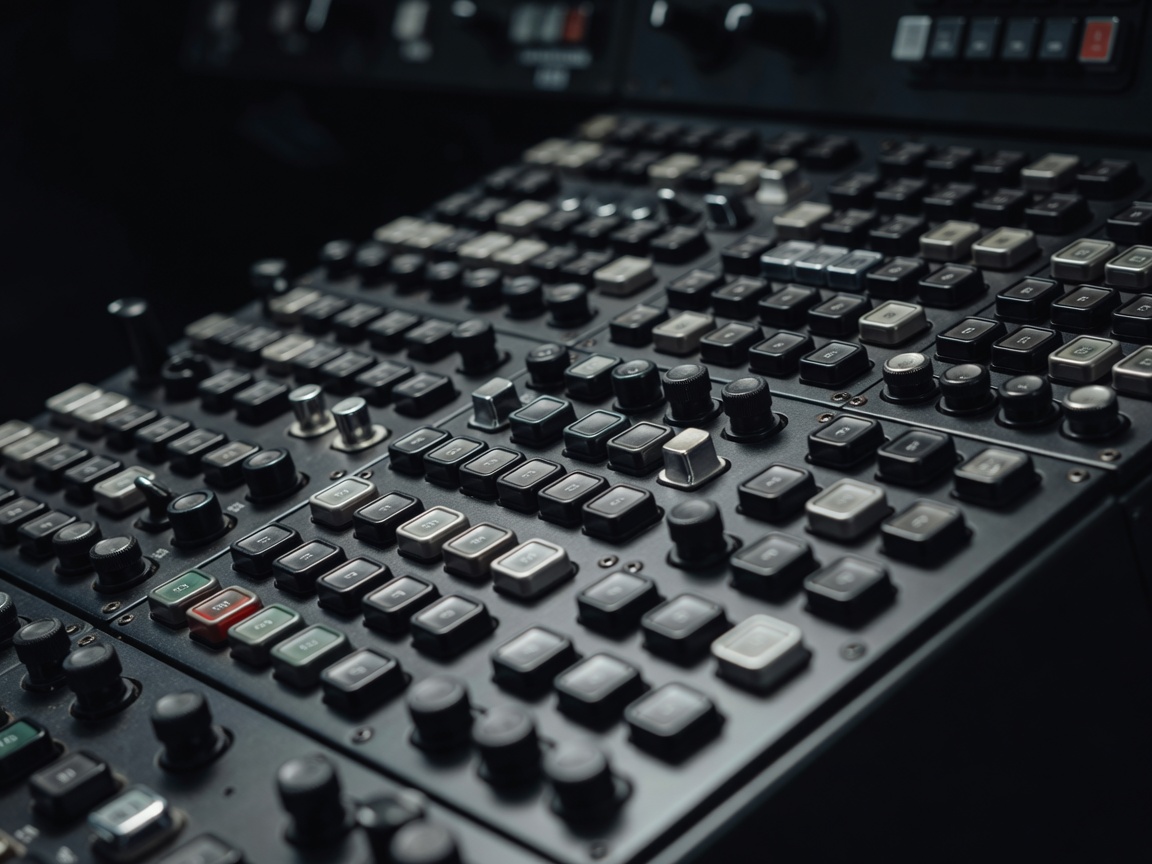
A connected movement
The route between a pilot’s input and a moving aerodynamic surface.
Explore controls →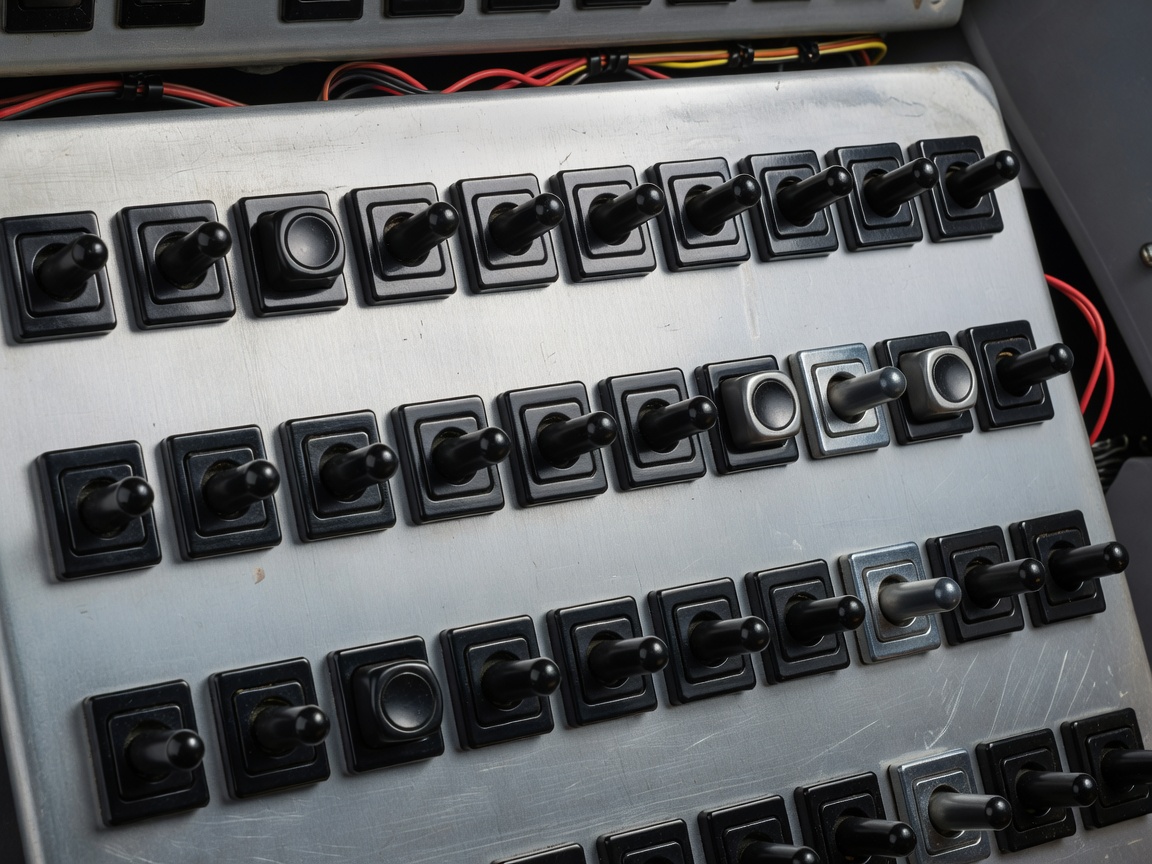
Supply, route, protect
How electrical energy reaches the equipment that needs it.
Explore electrical power →The fan is the beginning, not the whole engine
Look into a turbofan inlet and the large fan dominates the view. Behind it, the airflow divides. Some air enters the engine core; the rest passes around it through a bypass path.
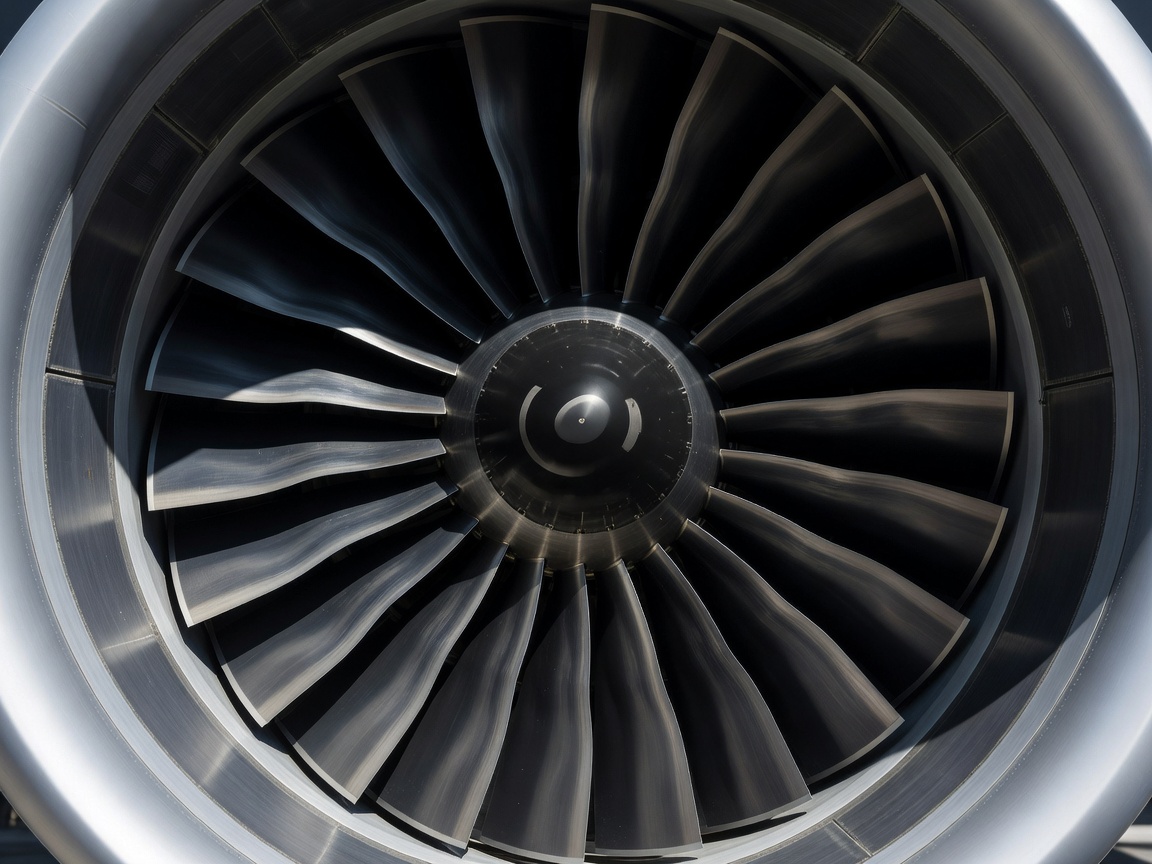
In the core, compressors raise the air’s pressure. Fuel is added and burned. The hot flow then passes through turbines, which extract energy to drive the compressors and fan, before leaving the engine.
In a high-bypass turbofan, accelerating the bypass airflow supplies a large share of the thrust. The exact balance depends on the engine’s design and operating condition.
The visible blades are part of an energy chain: combustion, turbine rotation, fan work and accelerated air.
A piston-engine airplane takes a different route. Combustion moves pistons, mechanical rotation drives a propeller, and the propeller accelerates air. The underlying task—creating propulsive force—remains recognizable.
Follow an input to its destination
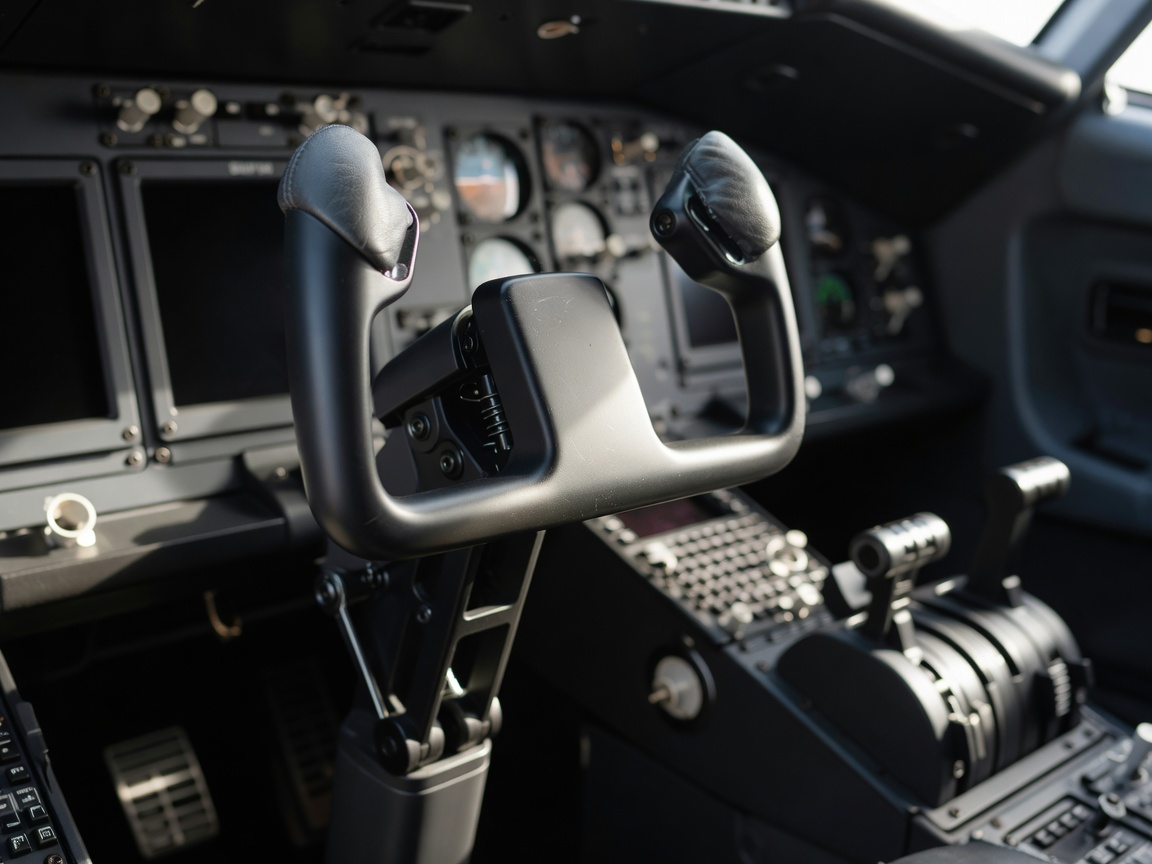
A control in the cockpit does not move a wing surface by intention alone. There must be a transmission path, a source of force and a mechanism at the other end.
- Mechanical connections
Cables, rods and linkages can transmit movement from cockpit controls to control surfaces. Many smaller aircraft use such arrangements.
- Hydraulic assistance
Pressurized fluid can power actuators that move surfaces under large aerodynamic loads. The pilot’s input commands movement rather than supplying all the muscle.
- Fly-by-wire
Electrical signals carry control commands to computers and actuators. Control laws, protections and backup arrangements vary across aircraft.
These categories can overlap. A single aircraft may combine mechanical, hydraulic and electrical elements. Redundancy is designed around particular hazards; it does not mean that every part is simply duplicated.
Electricity needs a route
A labeled switch may make a circuit available, select a source or command a separate device. Its visible simplicity conceals the distinction between producing electrical power and distributing it.
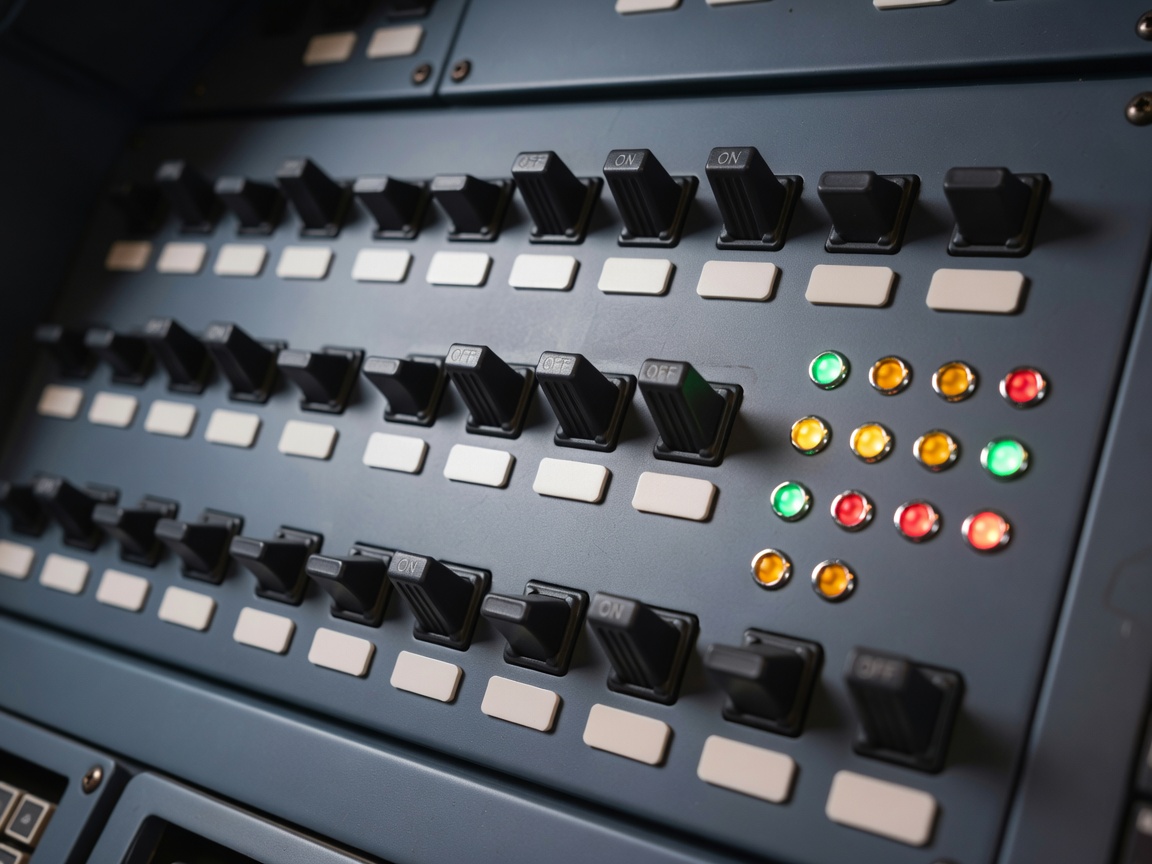
Engine-driven generators or alternators commonly provide power during flight. Batteries support selected functions, including starting or backup supply, depending on the aircraft. Larger aircraft may also use an auxiliary power unit or other sources.
A bus is a distribution point connecting a supply to multiple circuits. Dividing equipment among buses allows designers to manage loads and preserve selected essential functions if a source or part of the network fails.
Reliable power is not only about having a source. It is also about where the energy can go—and what happens when a path is lost.
Circuit protection helps limit damage from faults. It is not an invitation to experiment: never operate switches or reset circuit breakers on an aircraft without authorization and the applicable procedures.