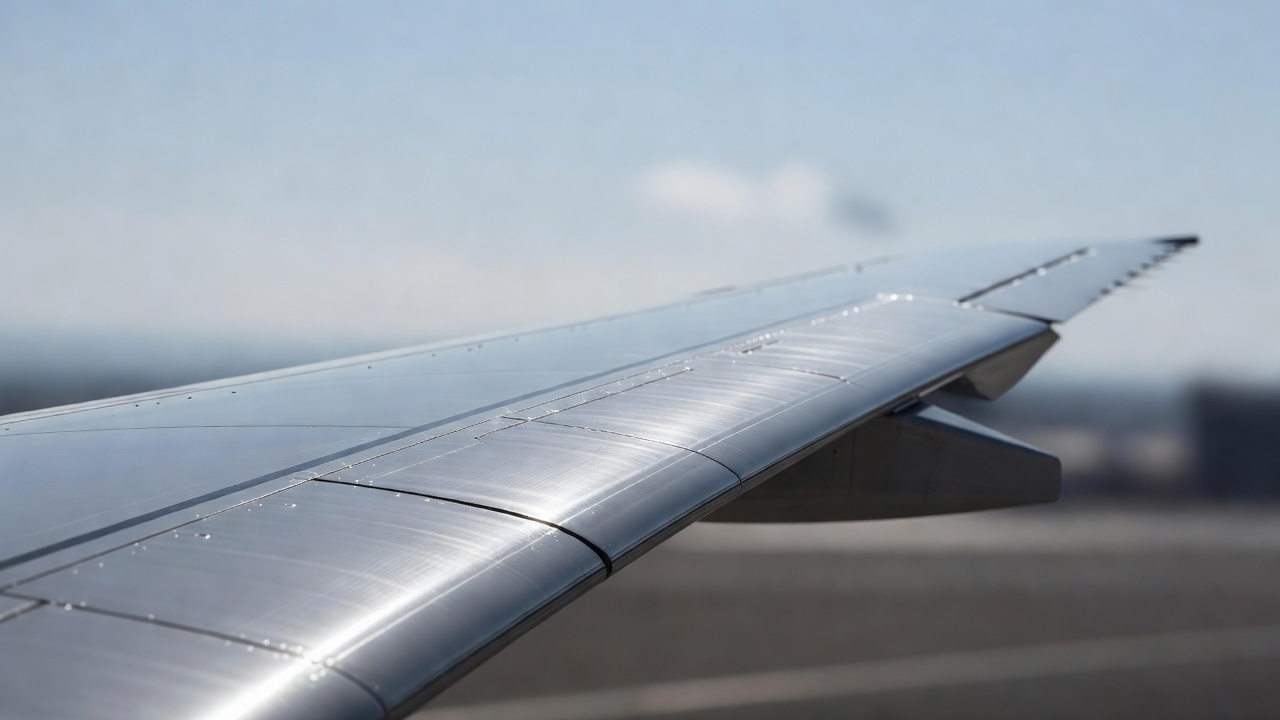
Read an Airplane Through Its Details
A line of rivets. A carefully curved edge. A small gap that is meant to be there. Look a little closer, and an airplane begins to explain itself.
Explore the Wing01 / A place to begin
Begin at the Wing
Start with the front edge of a wing. Its rounded shape is not a decorative finish: it helps the approaching airflow turn onto the wing’s upper and lower surfaces. The exact shape reflects the aircraft’s intended speed and operating conditions.
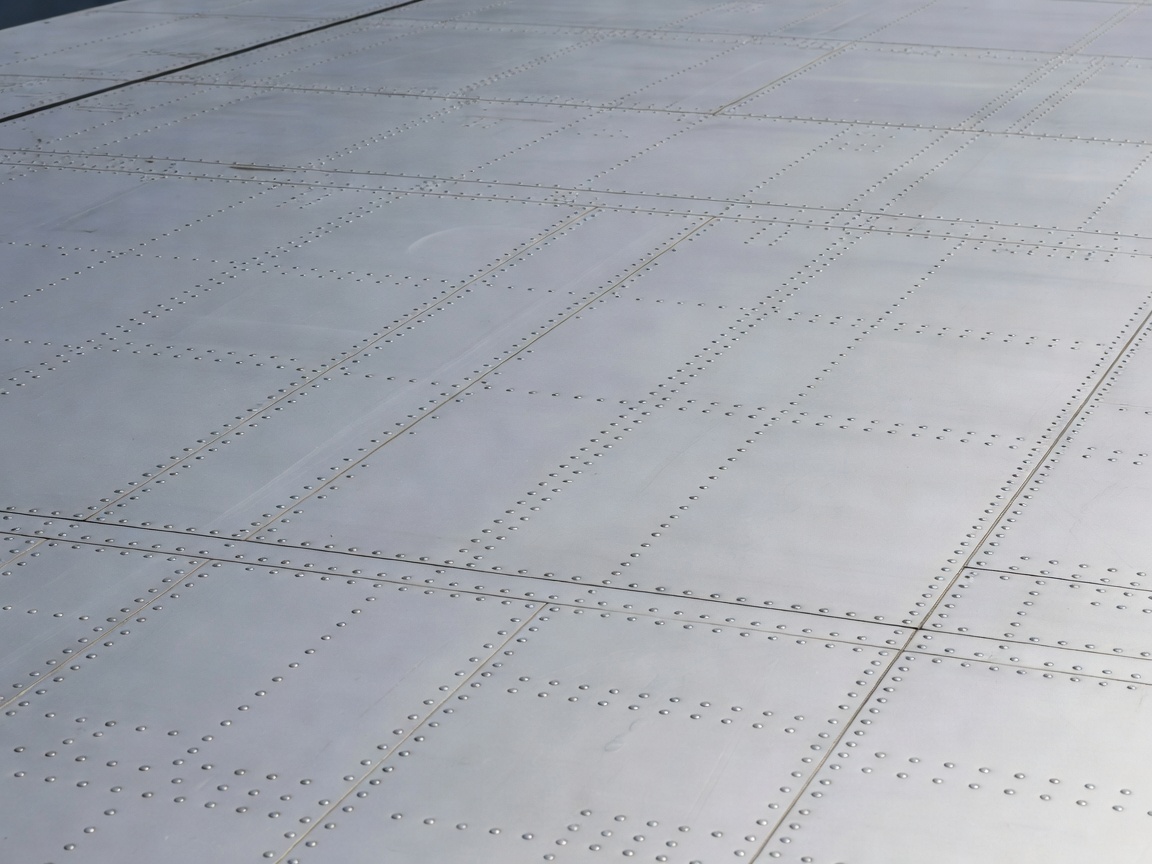
Now follow a seam toward the back. A change in the surface may mark a movable section, an access panel or a joint between manufactured parts. Similar-looking lines can have quite different jobs.
The useful question is not simply “What is that?” but “What does that detail allow the airplane to do?”Explore the Wing
02 / Notice the ordinary
Small Features, Large Jobs
Aircraft design often hides a demanding job in a modest-looking part. These are three details worth learning to recognize.
- Rivet lines
Rivets join parts together. Their spacing and location relate to the loads the joint must carry; a tidy row is also a trace of structural planning.
- Control-surface gaps
Ailerons, elevators and rudders need room to move. Designers manage the airflow around these gaps while preserving the movement needed for control.
- Static discharge wicks
On aircraft fitted with them, fine projections near trailing edges help release accumulated electrical charge and reduce interference with radio equipment.
03 / From shape to motion
Follow the Forces
A wing’s shape matters because the airplane is moving through air. To understand that interaction, start with four forces—not four separate mysteries.
Lift
The component of aerodynamic force perpendicular to the relative airflow. In ordinary level flight, it acts mainly upward.
Weight
The force of gravity acting on the airplane and everything it carries, directed toward Earth.
Thrust
The propulsive force produced by a propeller or jet engine, usually acting broadly forward.
Drag
The aerodynamic force opposing motion through the air, arising from several effects around the aircraft.
When straight, level flight is steady, the forces balance. A climb, turn or change in speed calls for a more careful look at their directions and their combined effect.
04 / Beneath the surface
Inside the Working Aircraft
Visible controls and openings are the ends of longer stories. Trace them inward to discover how an aircraft turns energy into useful work.
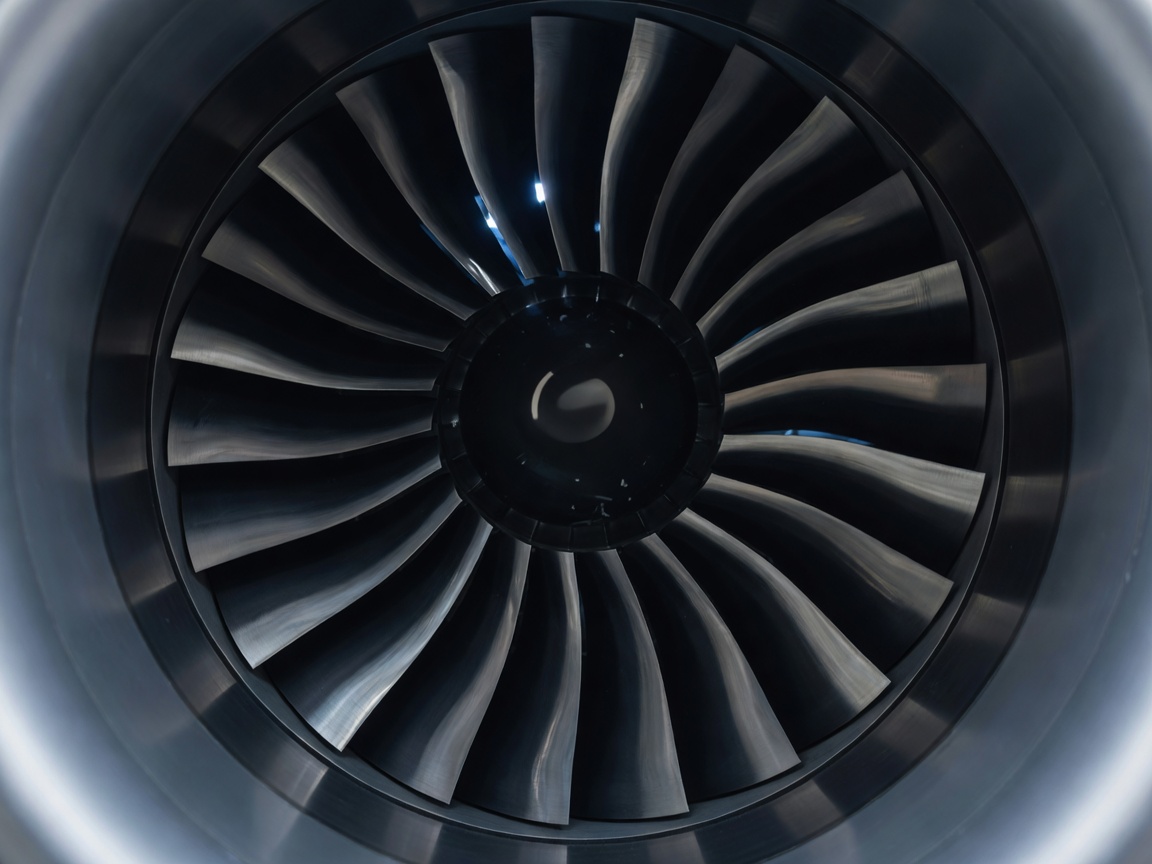
A fan with a larger purpose
Why the blades you can see are only the beginning of a jet engine’s airflow story.
Read the engine →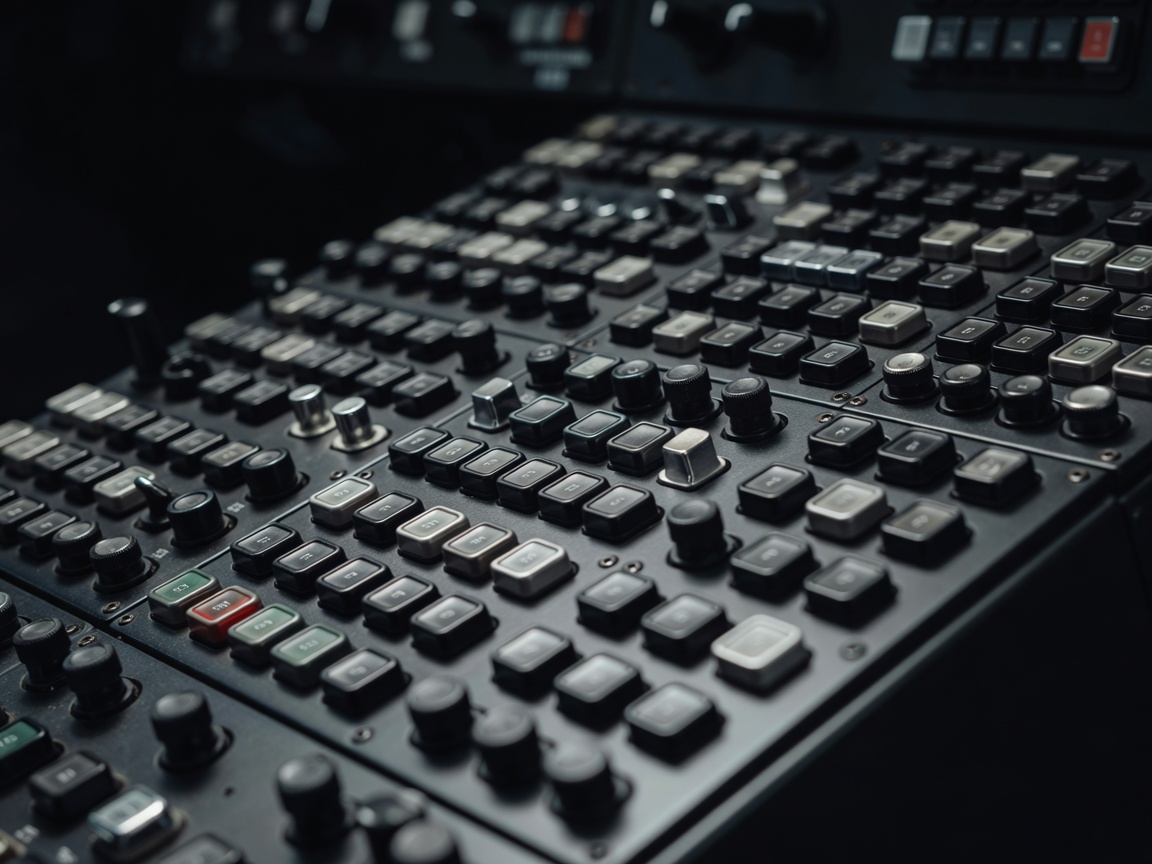
From a hand to a surface
How a pilot’s input reaches the parts of an aircraft that change its motion.
Trace an input →
Keeping the essentials alive
Generators, batteries and the distribution networks that connect them to equipment.
Follow the power →05 / Your next observation
Keep Looking Closer
On your next flight, notice the wing before takeoff and again during approach. If you can see its rear edge, watch how the flaps change position. You are seeing the same structure adapt to different demands.
You do not need to recognize every component. Begin with one detail, give it a name, and connect it to a job.